 IndianBreaches
LIVE
IndianBreaches
Grafana is one of the most widely used observability and monitoring platforms in modern infrastructure.
Used by engineering teams worldwide, Grafana helps organizations visualize metrics, monitor systems, troubleshoot incidents, and manage operational visibility across cloud, on-premise, and hybrid environments.
Its software is deeply embedded in DevOps, SRE, cloud engineering, and enterprise observability workflows.
Grafana Labs, the company behind the platform, provides both open-source and enterprise offerings used by startups, Fortune 500 organizations, and government environments.
That’s what makes this incident particularly significant.
This wasn’t a rumor.
This was a confirmed security incident.
In May 2026, Grafana publicly confirmed that an unauthorized actor gained access to its GitHub environment through a compromised token.
According to Grafana’s official statement:
Grafana also stated that:
This distinction matters.
Because what was compromised was internal code access—not production customer environments.
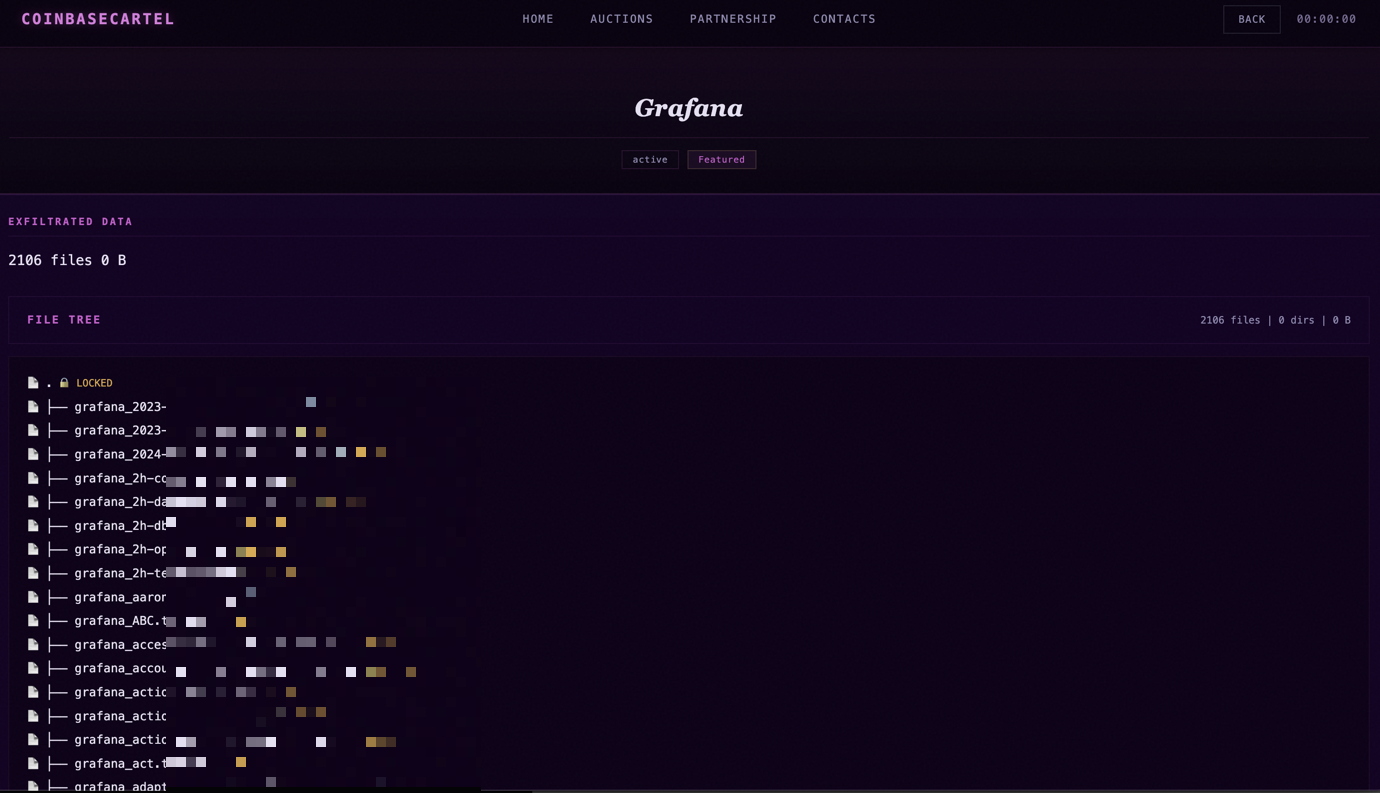
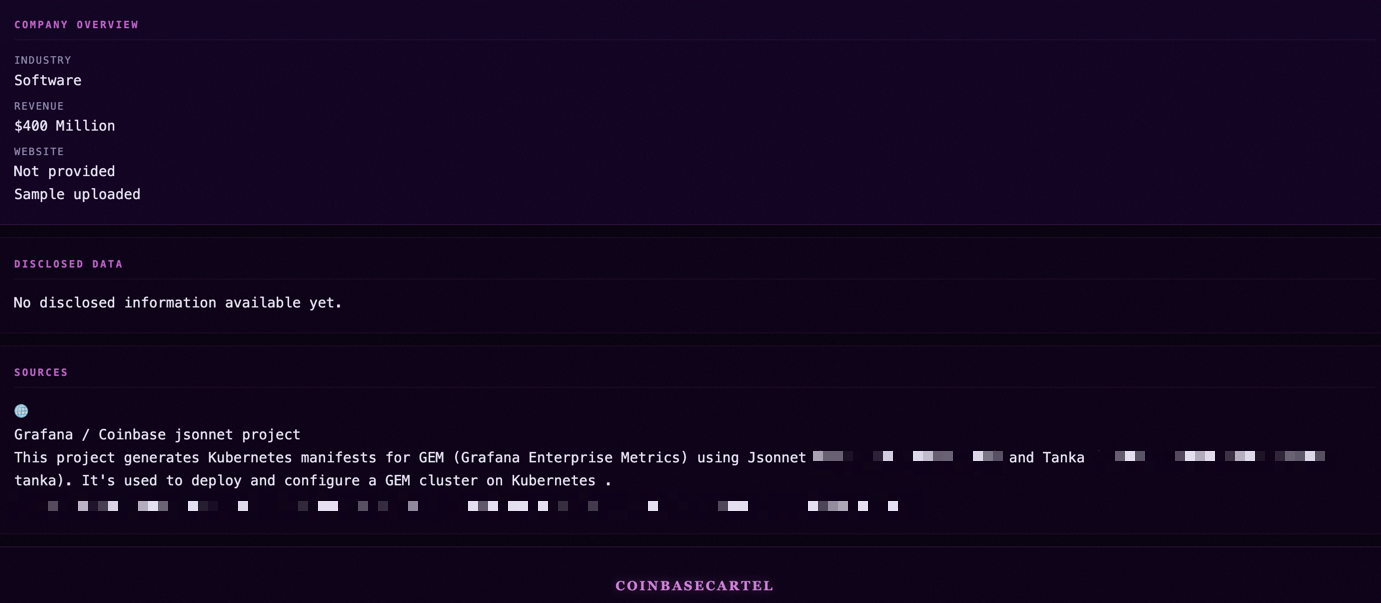
Separate leak-site screenshots circulating online appear to show:
Examples shown in screenshots include references such as:
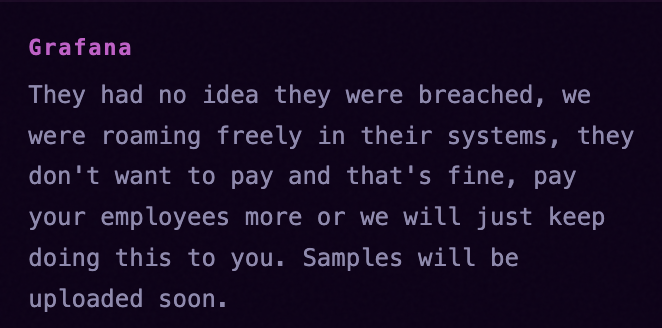
Some screenshots also include attacker commentary claiming:
“They had no idea they were breached.”
And assertions that additional samples would be released.
However:
Threat actor claims should always be treated cautiously.
The confirmed fact is unauthorized code access.
The exact completeness of the leaked archive remains independently unverified.
For ordinary users, “source code leak” may not sound as alarming as customer data theft.
But in infrastructure software, source code exposure can be serious.
Potential risks include:
Source code can reveal:
This can accelerate adversary reconnaissance.
Attackers reviewing internal code may discover:
Even patched code can provide useful attack intelligence.
Grafana sits inside thousands of infrastructure stacks.
A compromise involving trusted tooling raises broader ecosystem concern.
Even if customer data remains untouched.
This is not equivalent to:
❌ a customer database breach ❌ password exposure ❌ identity theft event ❌ payment data compromise
Grafana explicitly stated:
That significantly limits direct user impact.
But for enterprise security teams, internal code compromise is still meaningful.
Grafana’s public response appears notably transparent.
Actions disclosed include:
The company also stated it identified the likely source of the credential exposure.
This suggests the incident was treated as a mature incident-response event rather than an unmanaged breach.
This incident reinforces a recurring truth:
Modern security failures often begin with credential compromise.
Not zero-days.
Not exotic malware.
Just access tokens.
A single exposed token can create disproportionate downstream impact when connected to development infrastructure.
For engineering organizations, this is a reminder to harden:
Grafana’s case is unusual because it sits between two realities:
The company was breached.
But the catastrophic scenarios many assume from breach headlines do not appear to have occurred.
No customer records.
No payment data.
No production outage.
Still, internal code theft and extortion are serious.
Especially when the target is infrastructure software trusted by thousands of organizations.
The long-term impact depends less on what was downloaded—
and more on whether any exploitable intelligence emerges from it.
For now, this appears to be a contained but strategically important software security incident.